Footwear
Trail Running Shoes Guide - How to Choose for Terrain and Distance
How to choose trail running shoes: lug depth, drop, cushioning and rock plates explained by terrain, plus when a trail shoe beats a hiking boot.
Published June 7, 2026 · Last updated June 7, 2026
A trail running shoe is a road shoe that stopped trusting the ground. Deeper lugs for grip, a tougher upper for rock and root, often a plate in the midsole so a sharp stone doesn’t bruise the bottom of your foot. That’s the whole pitch. Everything else - drop, stack, cushioning - is the same set of trade-offs road runners argue about, moved onto dirt.
This page is how to pick one without buying the wrong shoe for your terrain.
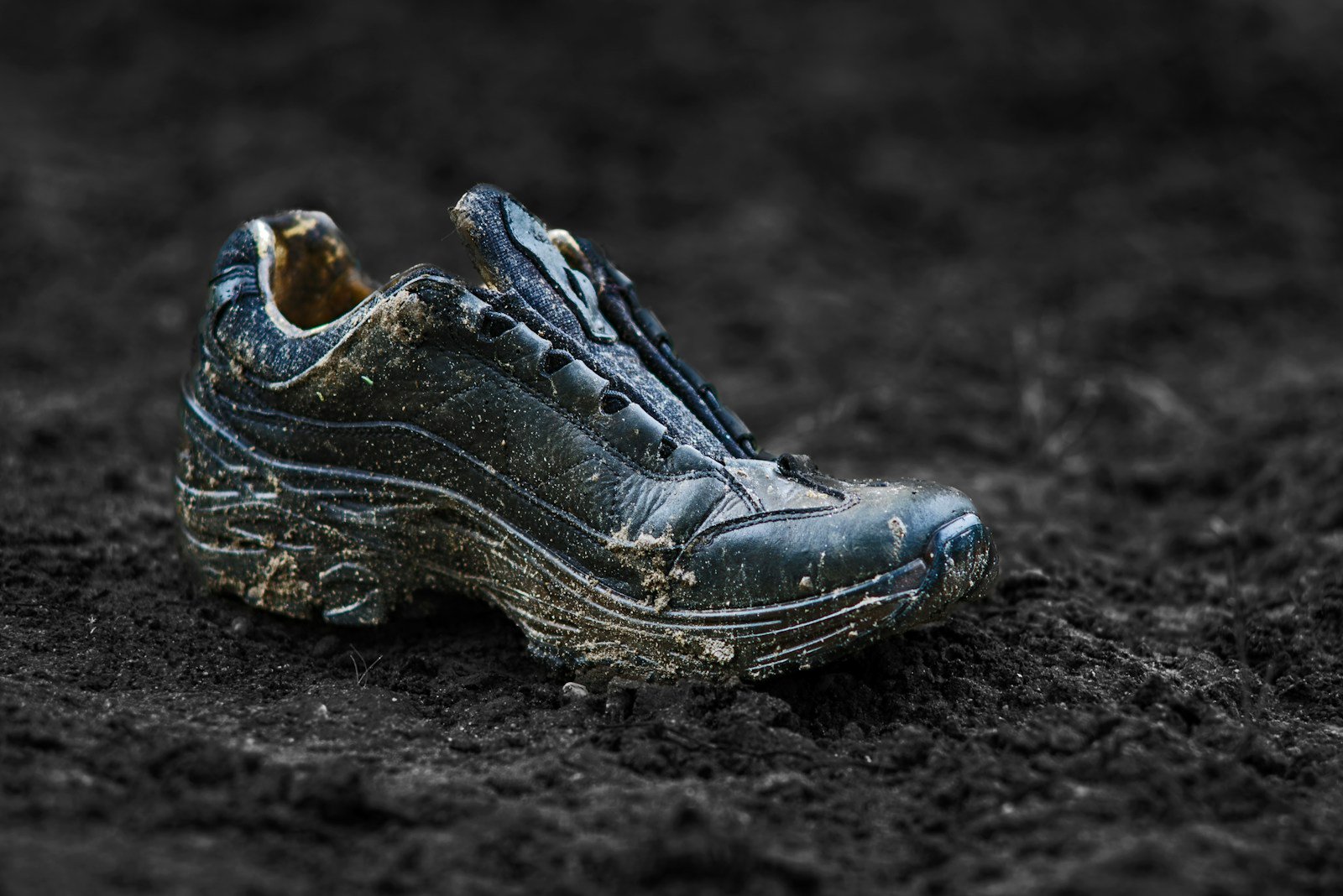
Photo: Lucas van Oort on Unsplash.
The four numbers that decide the shoe
| Number | What it measures | What’s enough |
|---|---|---|
| Lug depth (mm) | Tread height for grip in soft ground | 2-4 mm = hardpack/gravel · 5-6 mm = mixed trail · 7 mm+ = mud and snow |
| Drop (mm) | Heel-to-toe height difference | 0-4 mm = forefoot/midfoot strikers · 6-8 mm = most hikers · 10-12 mm = heel strikers |
| Stack height (mm) | Cushion thickness under the foot | Low 20s = ground feel · 30s = long-distance comfort |
| Weight (grams) | Per shoe | Under 250 g = race · 280-320 g = all-rounder · 350 g+ = rugged/durable |
The mistake most people make: buying the deepest lugs they can find. A 7 mm mud lug on dry rock is slower and less stable than a 4 mm shoe - the tall, widely spaced lugs flex and roll on hard surfaces. Match the lug to the ground you actually run, not the worst day you imagine.
Lug depth by terrain
- Gravel roads, hardpack, dry singletrack: 2-4 mm. A shallow, dense tread grips hard ground better and lasts longer.
- Mixed forest trail, occasional mud: 4-5 mm. The default for most people most of the time.
- Mud, wet grass, bog, soft snow: 6 mm+ with wide spacing so the mud sheds instead of clogging. This is a Norwegian autumn shoe, not an everyday shoe.
A clogged lug grips like a slick tyre. Spacing matters as much as depth - look at the gaps between lugs, not just their height.
Drop: the number people overthink
Drop is the height difference between heel and forefoot. Lower drop loads the calf and Achilles more; higher drop loads the knee and hip more. Neither is “correct.”
- If your current shoes work and you’ve no injuries, buy the same drop. Switching drop is the fastest way to a calf strain.
- If you’re changing, move 2 mm at a time and give it a few weeks. Going from a 10 mm road shoe to a 0 mm trail shoe in one jump is how people end up with Achilles tendinopathy.
Rock plate: yes or no
A rock plate is a thin stiff layer in the midsole that spreads the load from a sharp stone so it doesn’t bruise your foot.
- Get one if: you run rocky, technical, mountainous trail, or you do long distances where late-run fatigue makes you sloppy on foot placement.
- Skip it if: you run soft forest trail or groomed paths. The plate adds stiffness and weight you don’t need, and a plate-free shoe lets your foot read the ground better.
Trail shoe vs hiking boot
The honest version: for most day hikes on a maintained trail, a trail running shoe is lighter, dries faster, and causes fewer blisters than a boot. The boot wins in three cases.
| Use a trail shoe when | Use a boot when |
|---|---|
| Day hikes, fast packing, dry-to-damp trail | Carrying a heavy multi-day pack (ankle load) |
| You want to move fast and light | Sustained scree, talus, or off-trail rock |
| Quick-drying matters (river crossings) | Cold, wet, multi-day conditions where warmth wins |
Ankle support from a boot is real but oversold - strong ankles from regular trail time protect you more than a stiff cuff does. A boot mostly buys you load capacity and warmth, not injury prevention.
What the marketing leaves out
“Waterproof” trail shoes are usually a mistake
A Gore-Tex trail shoe keeps water out until water comes over the collar - then it keeps water in, and the shoe stays wet for days because the membrane can’t breathe it out. For running, a non-waterproof mesh shoe that drains and dries beats a waterproof one in almost every condition except cold snow. Buy waterproof only for winter.
Outsole rubber matters more than lug shape
Sticky rubber (Vibram Megagrip, Continental, brand-specific compounds) grips wet rock far better than a hard, durable compound. The trade-off is wear: stickier rubber wears faster. For wet Scandinavian rock, prioritise grip rubber over lug count.
Sizing up half a size
Feet swell on long descents and toes hit the front. Most trail runners size up a half size from their road shoe to keep toenails. Try them on at the end of the day with the socks you’ll actually run in.
Common questions
How long do trail running shoes last?
300-500 miles (500-800 km) for the midsole cushioning, less for the outsole if you run a lot of rock. The upper usually outlives the foam. When the cushioning feels dead and your legs are more tired than the effort explains, it’s done.
Can I use road running shoes on trail?
On gravel and hardpack, yes. On wet rock, root, or mud, no - road outsoles have shallow tread and soft uppers that tear. The grip difference on wet ground is the dangerous part.
One pair for trail and road?
A “door-to-trail” hybrid (3-4 mm lugs, moderate cushion) handles both adequately and neither perfectly. Fine if your runs are mostly road with some trail; a compromise if you’re serious about either.
Do I need a different shoe for ultras?
More cushion (higher stack) and a roomier toe box help over 50 km+, where late-race foot swelling and pounding add up. Many people race short in a low, firm shoe and go long in a max-cushion one.
Keep reading
- Merino wool socks - the other half of a blister-free setup
- Waterproof hiking jacket guide - staying dry up top
- Hiking boots: how to choose - when you need the boot instead
- Hiking in Norway: the complete guide - the hub
Claude AI helped me with phrasing and proofreading in this article.